Jordan Hale · 15 Jun 2026
Coding Adventures Await in Our Lively English Classes.
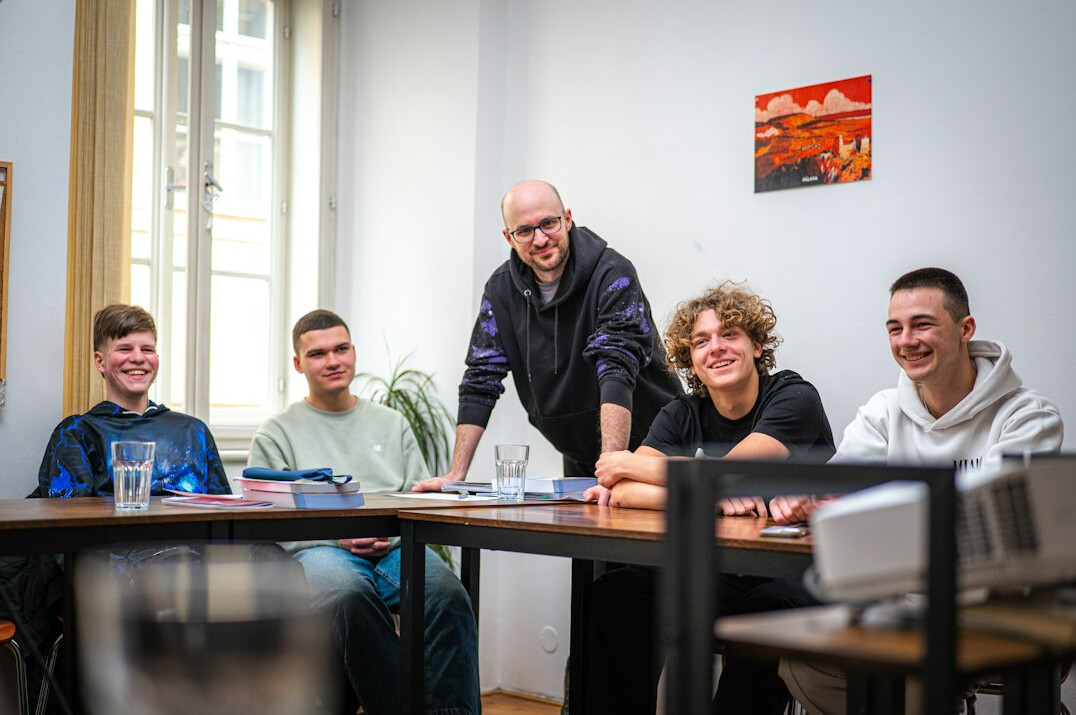
Stepping into one of our sessions at headflowix feels more like joining a creative workshop than a standard language lesson. Students gather around laptops, chatting about their latest code projects while practicing new vocabulary in real time. The energy comes from the mix of problem solving and conversation, where every error message turns into a chance to explain ideas out loud.

Our approach starts with the basics of programming but always ties them back to spoken and written English. Instead of dry grammar drills, learners describe their functions, debug issues in pairs, and present small apps they built. This keeps the focus on practical communication that actually sticks because it serves a clear purpose.
Building Skills Through Real Projects
Early on, participants create simple scripts that respond to user input. They then explain their choices to the group, practicing clear sentences and technical terms at the same time. One recent group designed a basic weather app and spent time debating how to phrase the output messages so they sounded natural to English speakers. Those discussions improved both their code and their ability to talk about it.
We encourage everyone to keep a short journal in English about what they learned each week. Reading those entries together helps spot patterns in language use and gives gentle feedback on structure without interrupting the flow of ideas. Over time the writing becomes more precise and the speaking more fluent.
Collaborative Challenges Keep Things Fresh
Every few weeks we run themed challenges where teams work on larger tasks, like building a shared to do list or a simple game. These sessions mix coding time with plenty of talk about strategy, roles, and next steps. The result is natural practice in negotiation and explanation that no textbook can fully replicate.
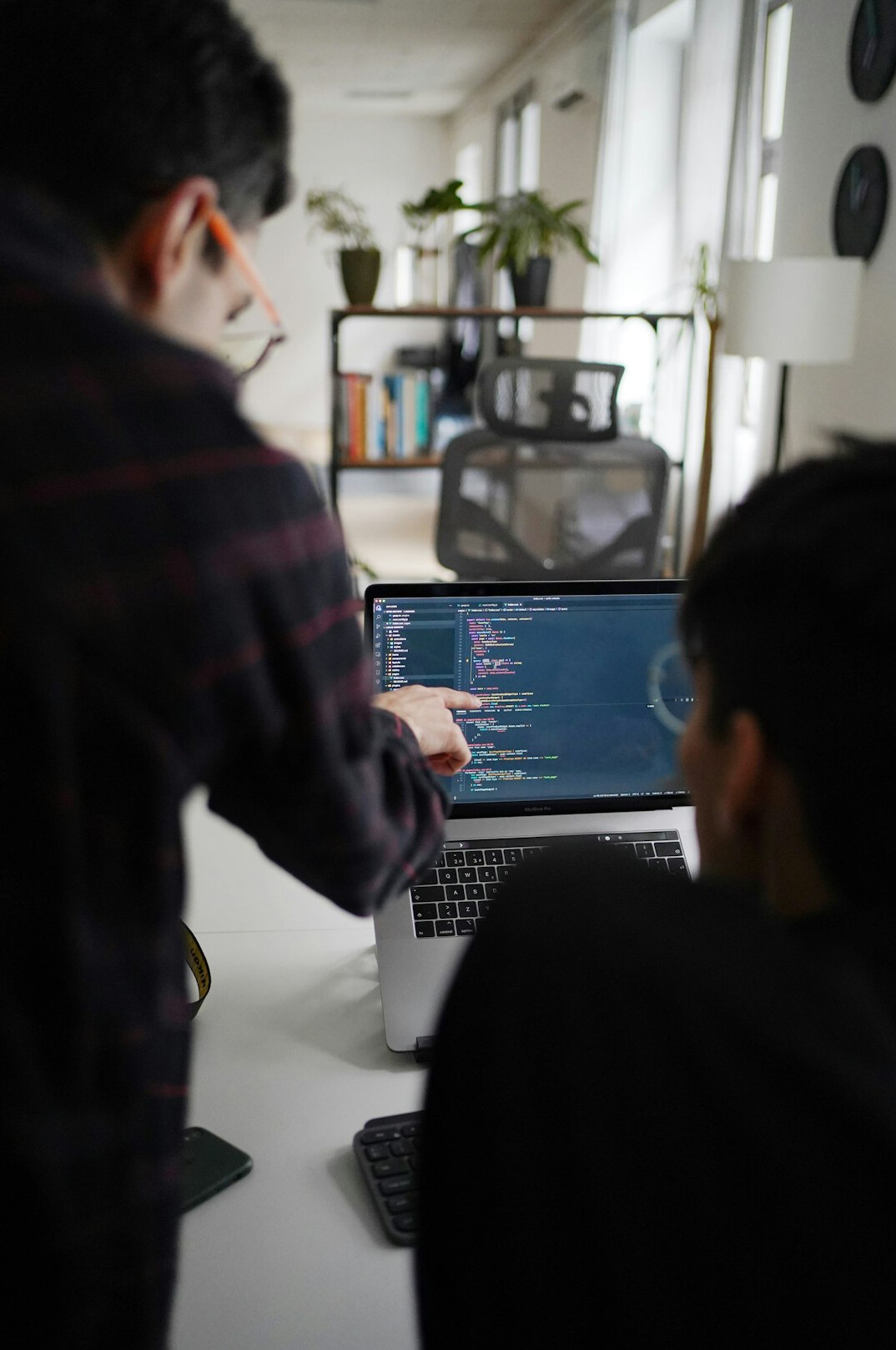
Feedback happens in the moment. When someone gets stuck on a concept, others jump in with suggestions, all in English. This peer support builds confidence faster than solo study ever could. Instructors circulate to offer hints on both the technical side and the phrasing, keeping the atmosphere supportive rather than competitive.
Why the Combination Works So Well
Many learners arrive with some programming interest but feel held back by language barriers. Our format removes that wall by making English the tool for getting things done. Vocabulary grows through repeated use in context, and pronunciation improves because everyone needs to be understood by teammates.
Progress shows up in small wins: a student who once hesitated to speak now leads a short demo, or a quiet participant starts asking detailed questions about loops and variables. These moments matter more than test scores because they reflect real world readiness.

Looking Ahead to Continued Growth
As classes evolve we keep adding new project ideas drawn from student interests. Some groups lean toward web design while others explore data handling. The common thread remains lively conversation paired with hands on coding. Graduates often mention how the experience changed how they approach both programming and language learning, turning what felt like separate skills into one connected adventure.
Whether someone joins to advance a career or simply explore a new hobby, the lively atmosphere at headflowix makes the process enjoyable and effective. The adventures continue with each new cohort, bringing fresh ideas and stronger English along the way.